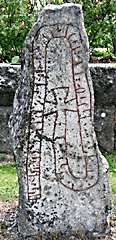
Rock Art
Rock art is the general term for images that prehistoric and ancient peoples created on natural rock surfaces, including cave walls, sheltered overhangs and open-air boulders. It is one of the earliest forms of human artistic expression and survives on every inhabited continent. The two main techniques are painting, in which pigments are applied to the surface, and engraving or carving, in which the rock itself is incised or pecked.
Painted caves are among the most celebrated examples. Working by firelight deep underground, artists used natural pigments such as red and yellow ochre, charcoal and manganese to depict animals including horses, bison, deer and mammoths, often with remarkable skill in capturing movement and form. Human figures, handprints and abstract signs also appear. The dark, stable environment of deep caves has preserved many of these paintings for tens of thousands of years.
The meaning of rock art is debated, since it cannot be read like writing. Scholars have suggested links to hunting, ritual, storytelling, the marking of territory and the recording of important events, and the explanation may differ from place to place. Whatever its purpose, rock art offers a rare and direct window onto the minds, beliefs and surroundings of people who left no written records, and it remains a major source of evidence about prehistoric life.
Frequently asked questions
- What is rock art?
- Rock art is images made by ancient peoples on natural rock surfaces, including cave walls and open boulders, created either by painting or by carving and engraving.
- What materials were used in prehistoric cave paintings?
- Artists used natural pigments such as red and yellow ochre, charcoal and manganese, often applied by hand or blown onto the wall to outline shapes.
- Why did prehistoric people create rock art?
- The exact reasons are uncertain. Suggestions include hunting magic, religious ritual, storytelling and marking territory, and the purpose likely varied between cultures.