Ghettos in Nazi-Occupied Europe
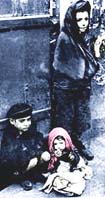
As part of the persecution of Europe's Jews, Nazi Germany forced Jewish populations in many occupied cities into sealed-off districts known as ghettos. These were usually established in poorer, run-down parts of towns, surrounded by walls or fences and guarded to prevent escape. The ghettos isolated Jews from the surrounding population and concentrated them in conditions of severe overcrowding, ahead of the deportations to camps that came later in the war.
Hundreds of ghettos were created across occupied Poland and the wider region, in cities and towns including Warsaw, Lodz, Krakow, Lublin, Lvov, Bialystok, Vilnius, Minsk and Riga, among many others. Some, such as the Warsaw and Lodz ghettos, held very large populations. Inside, families crowded into cramped quarters with little food, fuel or medicine, and disease spread rapidly. Forced labour, arbitrary violence and starvation caused many deaths even before mass deportations began.
Despite these conditions, ghetto inhabitants organised schooling, cultural life, welfare and clandestine record-keeping, and in some places mounted armed resistance against deportation and destruction. From 1942 onward the ghettos were progressively emptied as their populations were deported to extermination camps, and many were violently liquidated. The Theresienstadt ghetto, presented by the regime as a model community, also served as a transit point on the way to killing sites. The history of the ghettos is a central chapter of the Holocaust and is preserved through survivor accounts, documents and memorials.
Frequently asked questions
- What was a ghetto under Nazi rule?
- It was a sealed-off district, usually walled or fenced and guarded, into which the Nazis forced Jews in occupied cities. Ghettos isolated and concentrated Jewish populations before deportation to camps.
- What were conditions like inside the ghettos?
- They were marked by extreme overcrowding, shortages of food, fuel and medicine, forced labour and rampant disease. Many people died of starvation and illness even before deportations began.
- What happened to the ghettos later in the war?
- From 1942 the Nazis emptied the ghettos by deporting their inhabitants to extermination camps, and many ghettos were violently liquidated. Some, like Theresienstadt, also functioned as transit points.